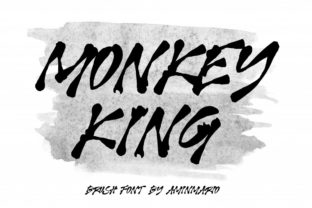
Monkey King: A Versatile Display Font for Creative Branding
When I opened my brand board for a local café’s visual refresh, I knew I needed something that felt both approachable and memorable. That’s when I reached for Monkey King—a display font that brought just the right balance of casual charm and clean structure. It wasn’t just about looking good; it was about making the brand feel authentic and relatable.
Monkey King for Logo Design and Brand Identity
Monkey King is a display font with a distinct personality—clean and a little bit quirky. When I tested it on a logo concept for the café, it immediately stood out. The letterforms are well-proportioned, with a friendly yet professional feel that works well for a brand that wants to be seen as both welcoming and stylish. I paired it with a sans serif body text to maintain readability while keeping the logo visually engaging.
The font’s versatility shines through in its ability to adapt to different brand identities. Whether you’re designing a modern boutique or a cozy handmade shop, Monkey King has the flexibility to fit the tone without overwhelming the design. Its slightly playful character adds a touch of personality, which is perfect for creative studios or DIY projects that want to stand out from the crowd.
Monkey King for Social Media Graphics and Web Design
I used Monkey King for a social media layout for the café’s new menu launch. The font worked beautifully in headlines and call-to-action buttons, adding a sense of energy and approachability. On Instagram, it helped the brand feel more human and less corporate, which resonated well with their target audience.
On the website, I placed it in the hero section and navigation menu. While it’s not ideal for long blocks of text, it handled short phrases and headings with ease. I found that using it in combination with a clean sans serif font like Montserrat created a nice contrast and kept the design cohesive. For web use, I made sure to check the font’s webfont availability and file formats to ensure compatibility across platforms.
Monkey King for Packaging Design and Product Labels
Testing Monkey King on a packaging mockup for a skincare product was another highlight. The font’s clean lines and subtle quirks gave the label a fresh, modern look that felt both professional and inviting. It worked especially well on labels with minimal text, where clarity and visual interest were key.
I also considered how the font would look in print. It held up well against different backgrounds and materials, making it a solid choice for physical products. However, I noted that it might not be the best option for small sizes or dense text, as the letterforms can become slightly less legible at very small points. This makes it more suitable for headlines, logos, and short phrases rather than body copy.
Monkey King for Branding Projects and Creative Studio Work
As someone who works with creative studios, I’ve seen how fonts like Monkey King can elevate a brand’s visual identity. It’s not just about aesthetics—it’s about creating a consistent look that communicates the brand’s values. When used alongside other typefaces, Monkey King can serve as an accent or headline font, helping to establish hierarchy and visual interest in a design.
I recommend pairing Monkey King with a serif or script font for a more dynamic contrast. For example, using it with a classic serif like Garamond could add a touch of elegance to a more casual brand. Alternatively, combining it with a handwritten font could create a more personal and artisanal feel, which is great for handmade shops or crafty DIY projects.
One thing to keep in mind is that Monkey King is best used in moderation. Overusing it in a design can lead to visual clutter, so it’s important to balance it with other typefaces. Testing the font in different contexts—like on a shop sign, product mockup, or printed card—can help you understand how it performs in real-world applications.
Monkey King for Commercial Use and Licensing Considerations
If you’re planning to use Monkey King in client work, branding, or commercial projects, it’s essential to review the font’s licensing terms. Some fonts have restrictions on commercial use, especially for print-on-demand products or digital templates. Always check the font’s license before finalizing your design to avoid any legal issues.
Monkey King is a premium font, and its value lies in its ability to enhance a brand’s visual appeal without sacrificing readability. It’s a great addition to any designer’s toolkit, especially for those working in branding, packaging, and social media graphics. Whether you’re building a logo, designing a website, or creating a product label, Monkey King offers a unique blend of style and functionality that can make your designs stand out.